Dreaming of waking up to snow-covered peaks one morning and walking through meadows bursting with wildflowers the next? Chopta makes that happen, sometimes in the same year! That’s exactly why every month thousands of people from Delhi and beyond keep searching for the perfect Chopta Tour Package.
This little village in Uttarakhand, sitting peacefully at around 2,700 metres, is famous as the “Mini Switzerland of India”. The moment you reach the open bugyals and see the massive Himalayan wall in front of you, the name feels completely right.
The best part? Chopta never closes. You can visit in any season and get a totally different experience. Spring brings red rhododendron forests that look unreal, summer turns everything bright green, autumn gives you the clearest mountain views you’ll ever see, and winter covers the whole place in thick, fresh snow.
Most families and first-timers pick March to June because the weather is pleasant, flowers are everywhere, and the trek to Tungnath Temple and Chandrashila feels easy. Adventure lovers and photographers wait for October to February – the skies stay blue for days, sunrise from the summit is mind-blowing, and by December the snow arrives in full force.
If you want the valley almost to yourself, love the smell after rain, and don’t mind wet shoes once in a while, July to September can be surprisingly beautiful and super cheap.
Whether you want to pray at Tungnath (the highest Shiva temple in the world), catch the sunrise from Chandrashila, camp beside Deoria Tal, or just sit quietly with Himalayan views, there’s a month made just for you.
| Season | Months | Temperature | Crowd | Best For |
|---|---|---|---|---|
| Summer/Spring | Mar–Jun | 5°C to 20°C | High | Rhododendron, green meadows, families |
| Monsoon | Jul–Sep | 10°C to 18°C | Very Low | Budget trips, budget Chopta tour packages |
| Autumn | Oct–Nov | 0°C to 15°C | Medium | Clear 360° views, serious trekking |
| Winter | Dec–Feb | -10°C to 5°C | Medium-High | Snowfall, igloo stays, adventure lovers |
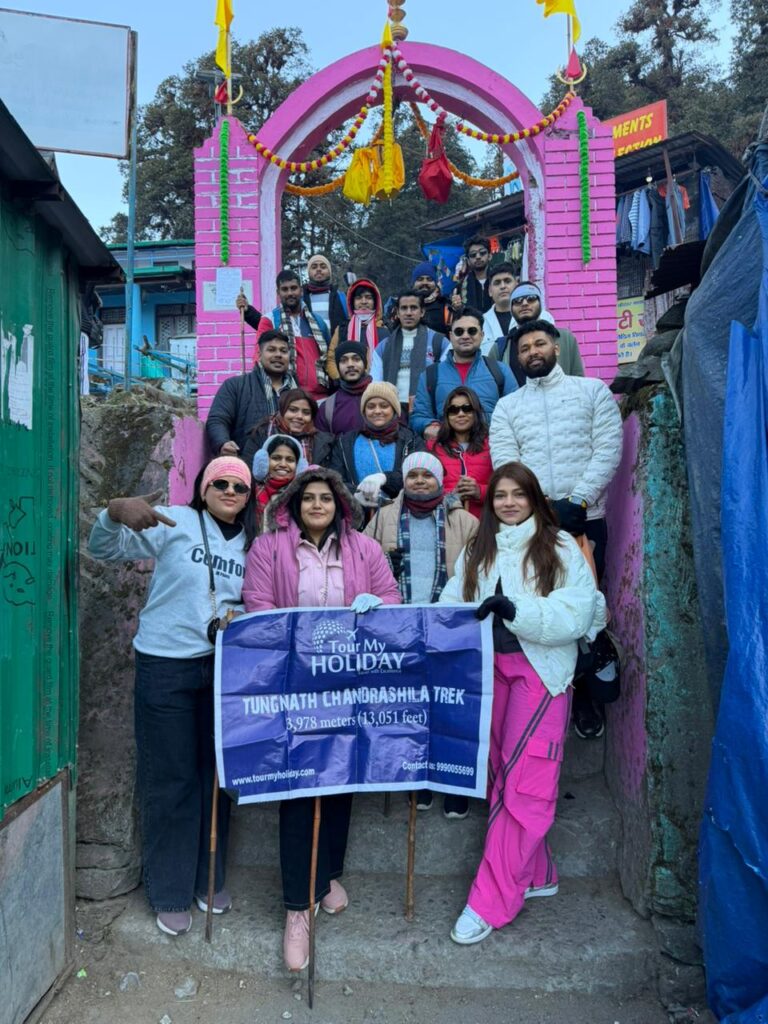
Itinerary
DAY 0: Depart From Delhi
- Begin your journey from Delhi by overnight road travel.
- Enjoy scenic night drive through Haridwar and Rishikesh routes.
- Prepare for an early morning arrival in the Garhwal region.
DAY 1: Arrive Sari Village Via Devprayag Sangam
- En route, stop briefly at Devprayag Sangam (Alaknanda & Bhagirathi confluence)
- Reach Sari Village by late morning or early afternoon.
- Trek ~2.5 km (easy-moderate) to Deoriatal Lake and enjoy serene mountain reflections; return to Sari for stay. Dinner and overnight stay.
DAY 2: Sari Village To Tungnath Trek
- Breakfast: Enjoy a hearty breakfast at your homestay.
- Drive to Chopta in the early morning (approx. 1-hour drive).
- Trek to Tungnath Temple (3.5 km) and optionally to Chandrashila Summit (1.5 km extra).
- Return to Chopta/Sari by evening.
- Dinner and overnight stay at Chopta or Sari.
DAY 3: Depart To Delhi Via Dhari Devi Temple
- Have breakfast in the morning, then begin the return drive toward Delhi.
- Stop at Omkareshwar Temple and the sacred Dhari Devi Temple near Srinagar en route.
- Continue overnight journey to Delhi.
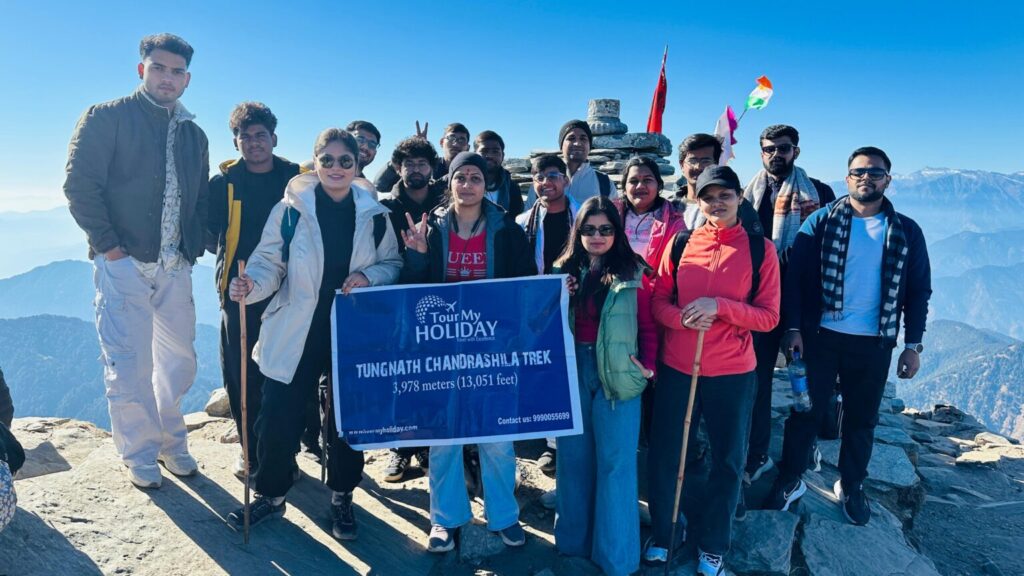
March to June (Summer & Spring) – Lush Green Meadows & Rhododendron Blooms
This is the absolute peak season – every single Chopta tour package from Delhi sells out weeks in advance, camps are full of laughter, and the whole valley feels alive. Roads are smooth as butter, the sky stays bright blue, and the mountains put on their best show.
Starting mid-March, the magic begins. Rhododendrons burst into bloom and paint the entire 3.5 km trail from Chopta to Tungnath in fiery red and pink. Locals call it the “Buransh festival” – walk through that flower tunnel with snow peaks shining above and you’ll forget the rest of the world exists. By the time April arrives, the colour explosion is at its craziest; people stop every few steps just to click photos because it looks unreal.
Come May and June, the lower snow melts completely, turning every meadow into soft green carpet. If you add Auli to your trip (highly recommended Auli Chopta tour package), Gorson Bugyal becomes this massive picnic spot where families spread mats, play badminton, and kids roll down gentle slopes. The famous Auli ropeway is open daily, giving you bird’s-eye views of oak forests and distant peaks.
Temperature is perfect – 15 to 22°C during the day, drops to 7–12°C at night, so you roam around in t-shirts and pull out a light jacket only for the evening bonfire. You can easily start the Chopta Tungnath Trek after breakfast, reach the ancient temple, push a little further to Chandrashila summit for insane 360° views, and be back at camp before lunch. Even beginners and kids do it without any trouble.
Deoria Tal, just a short drive away, becomes a giant mirror reflecting Chaukhamba and Kedar peaks so sharply that photos look edited. Nights are cool, stars are bright, and the smell of pine and blooming flowers is everywhere.
Why people love this season:
- Zero chance of road block
- Perfect for first-time trekkers and kids
- Daytime T-shirt weather, bonfire nights
- Best photography light – golden hour lasts forever!
If you hate crowds, book mid-week slots. Still the safest and prettiest time for anyone booking their first Chopta tour!
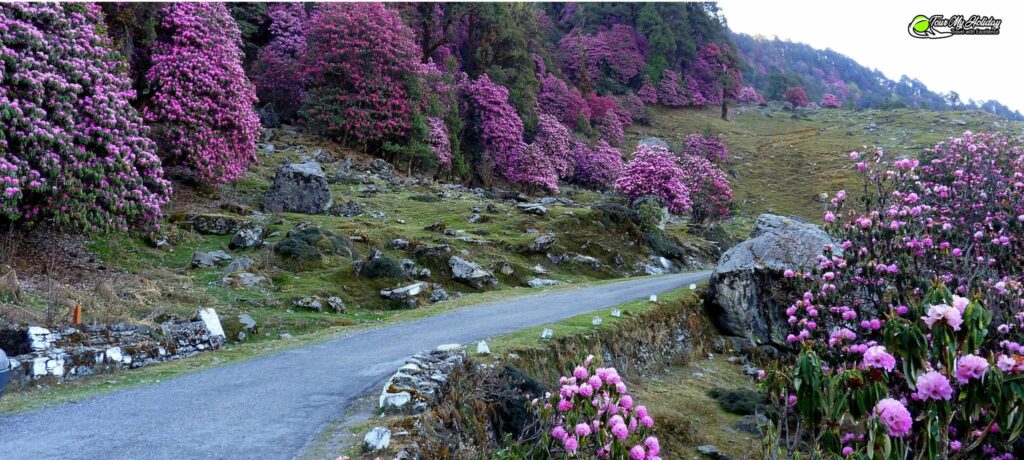
July to September (Monsoon) – Should You Visit Chopta in Rainy Season?
Monsoon hits Chopta like someone turned the green dial to maximum. The meadows go from pretty to insane; every shade of green you can imagine, grass so thick it feels like walking on a mattress. Small streams become gushing rivers, and new waterfalls pop up on every hillside; some so loud you can hear them from kilometres away. Mist rolls in and out all day, sometimes hiding the big peaks, sometimes lifting just enough to give you a dramatic five-second glimpse of snow mountains before swallowing them again. It’s moody, raw, and stupidly beautiful.
July and first half of August are the heaviest; roads between Kund and Ukhimath can stay blocked for hours (sometimes a full day) because of landslides. Most operators straight-up cancel or postpone Chopta Tungnath Trek From Delhi departures during this window. After 20th August things calm down a bit; rains become lighter, roads open more reliably, and the valley looks freshly washed.
It’s not for everyone, but for rain lovers, budget travellers, and anyone who wants to see a wilder, untamed Chopta, monsoon is secretly the best-kept jackpot.
Pros that make brave hearts book anyway:
- Super budget deals on TourMyHoliday and others
- Clouds at eye level – feels like walking in heaven
- Fresh snow on high up at Chandrashila even in August
- Homestays almost empty – bargain like a boss!
Safety tips if you still want to go:
- Travel only till mid-July or after 20th August
- Carry raincoat + anti-leech salt
- Book packages with 4×4 backup vehicle
Perfect for photographers who love dramatic clouds and travellers who already visited Chopta in dry season.
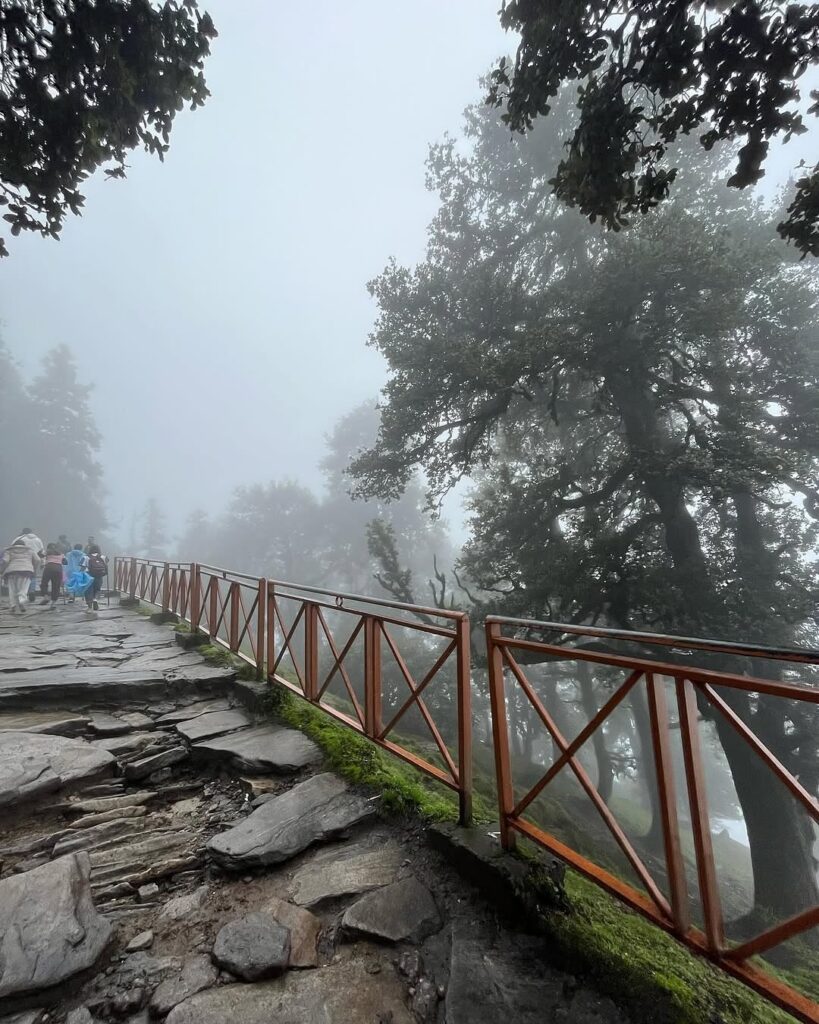
October to November (Autumn) – Clear Himalayan Views & Golden Forests
The moment you step out of the car in Chopta, you feel the difference. The air is so crisp it almost hurts to breathe, and the sky turns this impossible deep blue that you normally only see in edited photos. No haze, no clouds, no pollution layer – just pure, sharp mountain air. From the Chandrashila summit you can spot Nanda Devi (India’s second-highest peak), Trishul, Chaukhamba, Kedar Dome, Thalaysagar, and a dozen more giants all standing in one perfect line. On a good day the visibility goes beyond 200 km. Sunrise here isn’t just pretty – it’s a religious experience.
Days are sunny and pleasant (10–17°C), perfect for trekking in a light jacket or even a full-sleeve T-shirt. Nights get cold (3–8°C), but that only makes the bonfire and hot maggi taste better. The forests along the trail turn golden-yellow, oak and maple leaves carpet the path, and every corner looks like someone spilled autumn colours from a bucket. Deoria Tal becomes pure magic – the lake surface stays mirror-still in the morning, reflecting the entire snowy panorama so perfectly that you can’t tell where the mountain ends and the reflection begins.
By late November the snow line starts dropping. One morning you wake up and the upper half of Chandrashila has a fresh dusting of snow – that’s the bonus round before full winter kicks in. Some lucky groups even get light snowfall on the summit while the lower valley is still dry.
This is the season when every photo looks like a National Geographic cover, when the 3.5 km climb to Tungnath and the final rocky push to Chandrashila feel effortless, and when you come down knowing you just witnessed the Himalayas at their absolute finest. Miss October–November and you’ll spend the rest of the year regretting it. Simple as that.
Why this season wins:
- Zero fog, 100% Himalayan panorama
- Moderate crowd – peaceful yet lively
- Best sunrise views of entire Garhwal Himalaya
- Comfortable for Tungnath Temple visit (temple closes late Nov)
Book latest by September if you want window seats in tempo traveller!
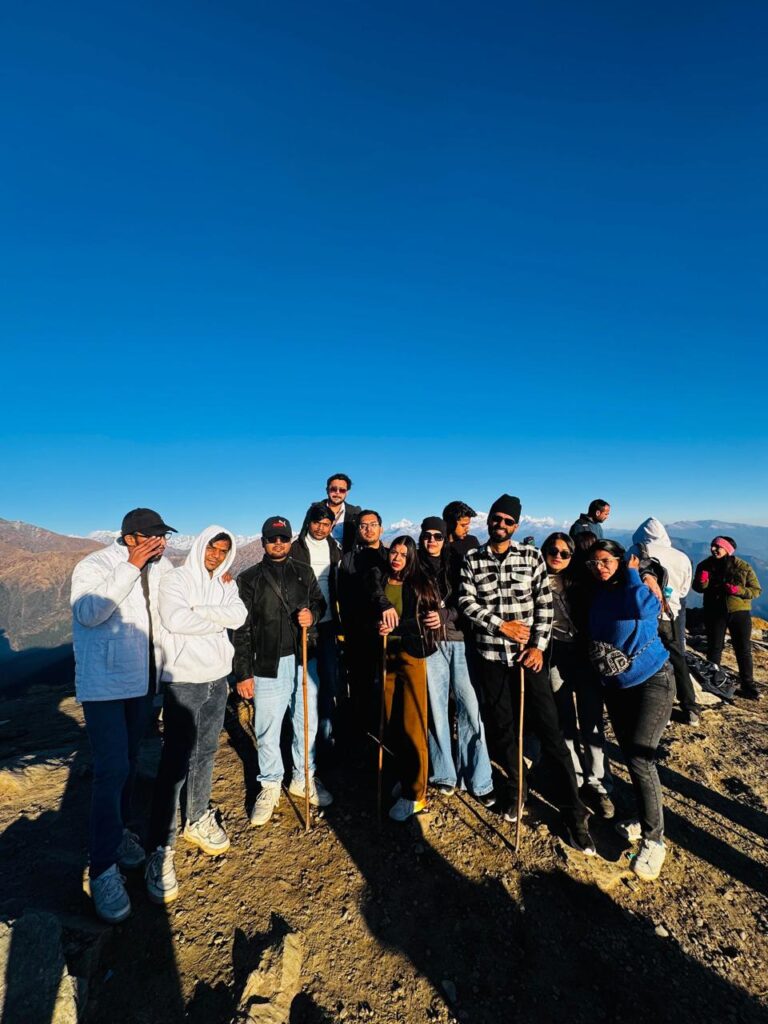
December to February (Winter) – Chopta Snowfall & Winter Wonderland
The moment the first proper snowfall hits Chopta (usually between 15–22 December), the entire valley transforms overnight. You go to sleep seeing green patches and brown trails, and wake up to a complete white wonderland. By Christmas week, every tree, every rock, every rooftop is buried under fresh powder snow. Deoria Tal freezes solid – you can literally walk across parts of it and hear the ice creak under your feet. Tungnath Temple, sitting at 3,680 m, gets decorated with long shining icicles that hang from the roof like chandelier crystals. The whole scene looks straight out of a movie.
Daytime temperature hovers between 0–8°C and the sun is surprisingly warm on your face, but the second it dips behind the ridge, the mercury crashes to -5 to -12°C. You feel the cold bite instantly, but that’s exactly what makes it exciting.
The Chopta Tungnath Trek stops being a regular hike and turns into a proper Himalayan snow adventure. The trail disappears under 1–3 feet of snow; every step is soft and crunchy. Most people strap on microspikes or crampons, pull gaiters over their boots, and trek with walking poles – suddenly it feels like you’re climbing in Kedarkantha or some high-altitude pass. The final ridge to Chandrashila becomes a narrow white knife-edge with insane drop-offs on both sides, and the summit feels ten times more rewarding when you have to earn it through snow.
A few operators now build actual igloos and glass-domed igloos every winter – sleeping inside one while snow falls silently outside is something you’ll brag about for years. Bonfires become bigger, everyone sits wrapped in blankets sipping hot thukpa and rum-tea, and the night sky is so clear that the Milky Way looks close enough to touch.
If walking in fresh powder, hearing nothing but your own footsteps crunching, and seeing the highest Shiva temple wearing a crown of snow is on your bucket list, winter Chopta is impossible to beat. Just pack good jackets, warm boots, and book early – because once the first snow photos hit Instagram, every seat on the Delhi–Chopta buses and every igloo gets taken in hours!
Expected first & last snowfall 2025–2026:
- First major snow: 18–22 December 2025
- Peak snow month: January
- Last snow: usually till 25 February
Must-pack:
- Down jacket, thermals, snow boots
- Moisturiser & lip balm (air is super dry)
- Power bank (charging points freeze!)
Trending winter packages:
- New Year Chopta Tour Package From Delhi with bonfire & cake
- Auli Chopta Tour Package with skiing + snow trekking
- Deluxe glass igloo stay by TourMyHoliday
If seeing Chopta under thick blanket of snow is on your bucket list, book winter slots right now – they vanish faster than snow in sun!
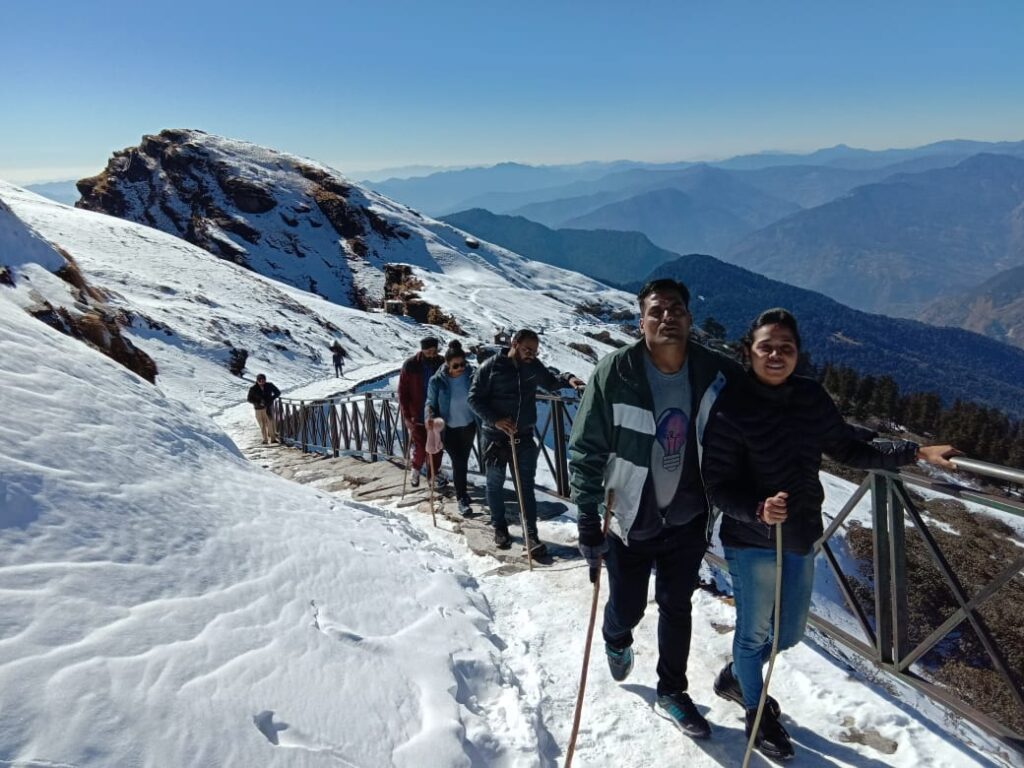
Month-by-Month Weather Chart: Chopta 2025
| Month | Day/Night Temp | Weather | Crowd | Trek Status | Best For |
|---|---|---|---|---|---|
| Jan | 0–8°C / -10°C | Heavy Snow | Medium | Snow trek | Igloo stays, New Year, thick snow |
| Feb | 2–10°C / -8°C | Snow + Sunny days | Medium | Snow till mid | Last heavy snowfall photos |
| Mar | 8–15°C / 0–5°C | Light snow early | Rising | Easy | Rhododendron starts, meadows turning green |
| Apr | 12–20°C / 4–10°C | Clear & Pleasant | High | Very Easy | Red Buransh jungle, family trips |
| May | 15–22°C / 7–12°C | Sunny & Green | Peak | Super Easy | Lush meadows, long daylight hours |
| Jun | 15–23°C / 8–13°C | Rare showers | Peak | Easy | Auli cable car, Gorson Bugyal blooming |
| Jul–Aug | 14–20°C / 10–14°C | Heavy Rain | Very Low | Risky | Budget deals, roaring waterfalls |
| Aug | 14–19°C / 10–13°C | Heaviest rain | Lowest | Mostly closed | Cheapest Chopta tour packages |
| Sep | 12–18°C / 8–12°C | Rain reduces | Low | Moderate | Fresh & clean after monsoon |
| Oct | 10–17°C / 3–9°C | Crystal Clear | Rising | Perfect | 360° Himalayan views |
| Nov | 5–14°C / 0–6°C | Light snow late | Medium | Good | Golden forests, Tungnath temple open |
| Dec | 2–10°C / -8°C | Snow from 15th | High | Snow trek starts | Christmas & New Year special packages |
Best Season for Specific Activities in Chopta
Classic Chopta Tungnath Trek + Chandrashila Sunrise
October–mid November & mid March–April → crystal-clear skies, dry trail, moderate temperature, and the most breathtaking 360° Himalayan views.
Heavy Snow Trekking & Winter Wonderland
20 December–31 January → knee-deep snow on the trail, frozen Deoria Tal, igloo/glass igloo stays, and magical New Year vibes.
Rhododendron Bloom & Green Meadow Walks
25 March–15 May (peak bloom 10–30 April) → the famous red Buransh jungle, flower carpets, and perfect family weather.
Auli Skiing + Chopta Snow Combo
January–early March → ski in the morning at Auli, snow trek in Chopta by afternoon. Best booked as 7–9 day Auli Chopta tour package.
Cable Car Ride & Gorson Bugyal Picnic
April–June → Auli ropeway running daily, green bugyals, unfrozen Deoria Tal reflections — ideal for couples and kids.
Bird Watching & Nature Photography
March–June → maximum colours, Himalayan monal, koklass pheasants, and golden light all day.
Zero Crowd & Super Budget Trip
July–mid-September → camps at 70–80% discount, roaring waterfalls, lush green everywhere — only for rain lovers.
Private Sunrise at Chandrashila
Any weekday in October or first half of February → summit almost empty, sunrise feels personal.
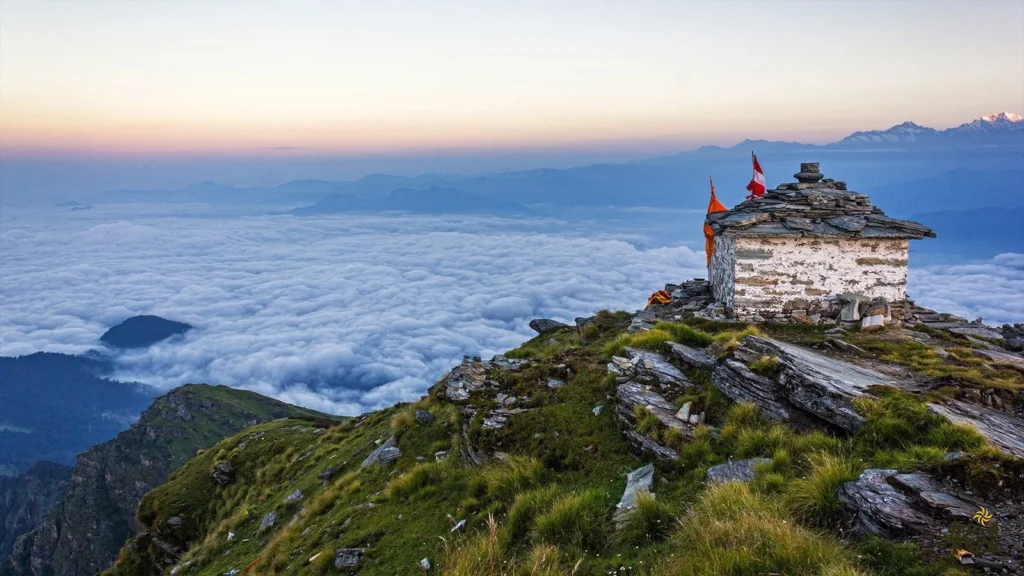
How to Reach Chopta in Different Seasons
Getting to Chopta from Delhi is a 400–450 km journey that feels like a movie – rivers, mountains, ghats, and endless chai stops. But the last 50 km can make or break your trip depending on the season. Here’s the real, no-BS guide updated for 2025:
Summer & Autumn (March–June & October–November)
- Total time: 12–14 hours by tempo traveller/car
- Route: Delhi → Meerut → Rishikesh → Devprayag → Srinagar → Rudraprayag → Kund → Ukhimath → Duggalbitta → Chopta
- Road condition: 98% butter-smooth tarmac. Even sedans reach comfortably.
- Best way: Overnight Volvo till Rishikesh + morning shared cab (₹600–800/person) or full private taxi (₹9,000–12,000).
- All Chopta tour packages from Delhi run daily fixed departures in these months.
Monsoon (July–mid September)
- Same route but add 3–6 hours extra because of landslides between Kund and Ukhimath.
- Many days the road stays blocked for 8–12 hours.
- Pro move: Book only “guaranteed departure” Chopta tour packages that have backup 4×4 vehicles and alternate stays in Ukhimath if road closes.
- August is the riskiest – avoid unless you love gambling.
Winter (December–February)
- Main highway till Ukhimath is usually clear.
- Last 18 km (Duggalbitta → Chopta) gets snow/ice after 20 December.
- Normal cars stop at Duggalbitta; only 4×4 Bolero/Maxx with chains go up.
- Almost every good Chopta tour package from Delhi includes pickup from Duggalbitta in 4×4 (don’t book cheap ones that leave you stranded).
- Fastest hack: Fly Delhi → Dehradun (1 hour flight) + 6–7 hour taxi straight to Chopta (₹6,000–8,000 per cab).
2025 Hot Tips That Save Money & Headache
- Book with TourMyHoliday “Snow Guarantee” packages – they shift you to Auli/Chopta whichever has better snow if one road closes.
- Carry extra ₹1,000 cash – sometimes local drivers charge “snow tax” on the spot.
- Best departure day: Friday night from Delhi = reach Saturday morning = full weekend in snow/flowers.
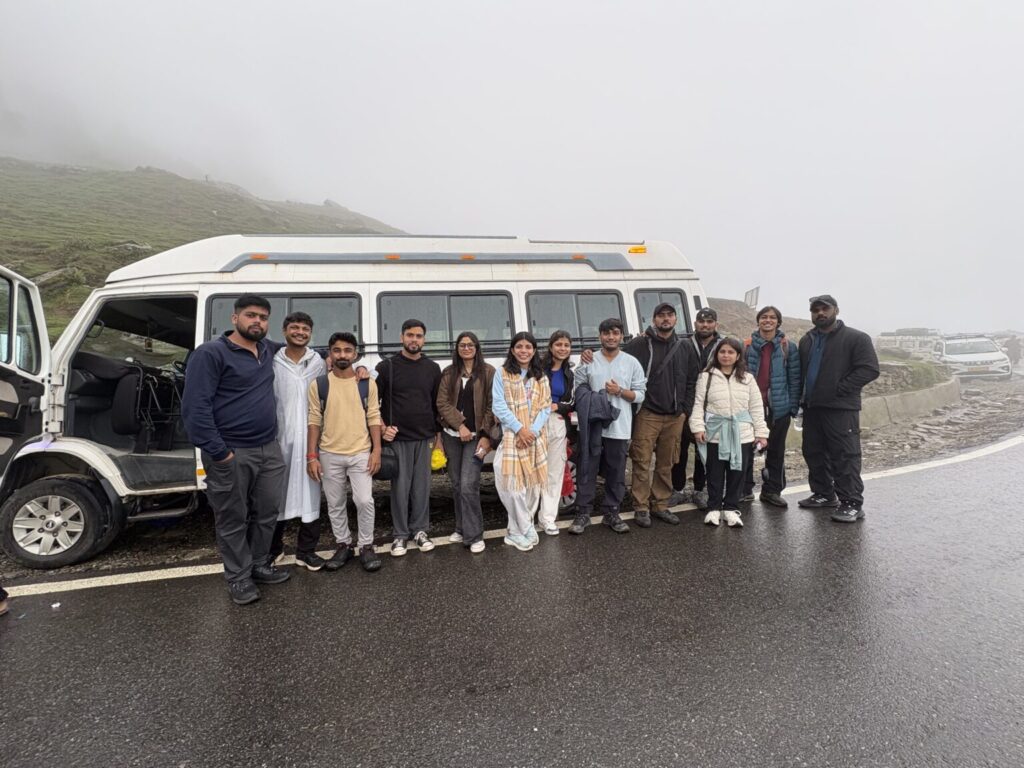
Final Verdict: What’s Your Perfect Time to Visit Chopta?
Chopta is never the same place twice — it’s a mood ring of the Himalayas. So the “best time” completely depends on the version of Chopta you want to fall in love with.
If your dream is walking through endless green bugyals, red rhododendron tunnels in full bloom, pleasant days and cool nights perfect for families and first-timers — April to mid-June is unbeatable. This is when most Chopta Tour Package from Delhi run daily and camps are packed with happy faces.
If snow is your weakness — knee-deep powder, frozen Deoria Tal, igloo camping, Tungnath Temple wearing a white crown, and New Year bonfires under the Milky Way — then 20 December to 31 January is straight out of a fairy tale. Book early because winter slots vanish faster than morning mist.
If you’re chasing the clearest 360° Himalayan panorama on earth — Nanda Devi, Trishul, Chaukhamba, and Kedar peaks all standing tall without a single cloud — October to mid-November is pure gold. Trekkers and photographers call this the “God-mode” season for Chandrashila sunrise.
There is no wrong month, only different love stories with the same mountain.